
bent tempered glass manufacturers
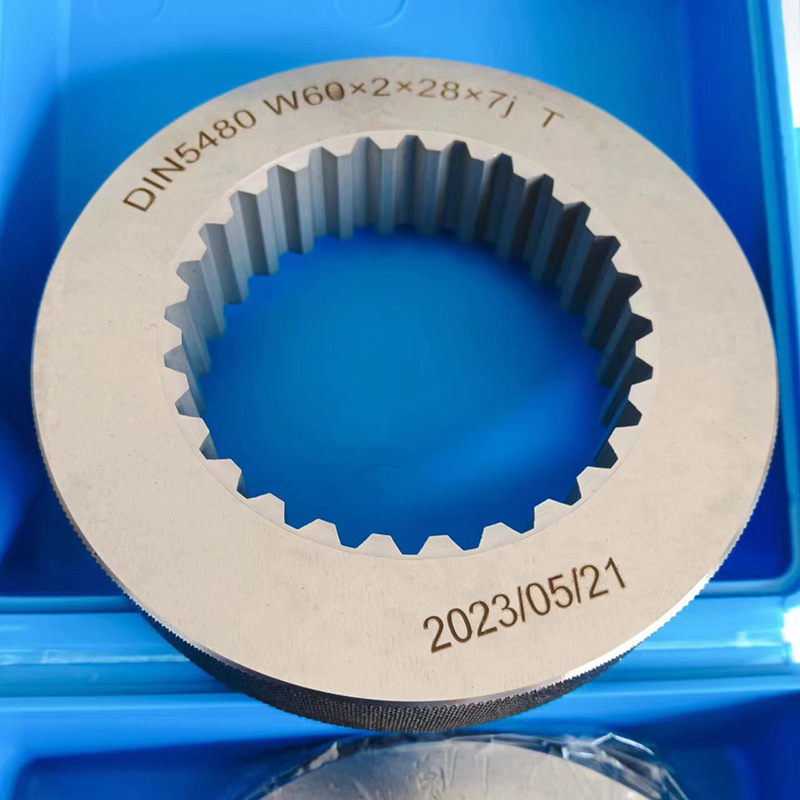
Understanding No Go Pin Gauges An Essential Tool for Quality Control In the realm of manufacturing and quality control, precision is paramount. One of the essential tools used in ensuring that parts meet strict tolerances is the no go pin gauge. This simple yet effective instrument plays a crucial role in verifying the dimensions of various components, ensuring that they meet specifications and can function properly in their intended applications. In this article, we will delve into the purpose, design, and application of no go pin gauges, highlighting their significance in the manufacturing process. What is a No Go Pin Gauge? A no go pin gauge is a type of measuring tool used in the inspection of holes and slots in components. It typically comes in two variants the go gauge and the no go gauge. The go gauge is used to determine if an object fits within the desired size range, whereas the no go gauge is designed to check for maximum allowable limits. If the no go gauge fits into the hole or slot being measured, it indicates that the part does not meet the required specifications and is deemed unacceptable. Design and Materials No go pin gauges are usually made from high-quality materials such as hardened steel or carbide to ensure durability and precision. Their design is straightforward; they often resemble a pin or cylindrical shape that is available in various diameters. The no go gauge is calibrated to match the specified tolerances, with precise dimensions that allow for accurate assessments during inspections. The ends of the pin gauge are usually marked with the gauge size, and some may feature additional markings to facilitate understanding of the measurement system being used. For industries that demand high precision, such as aerospace and automotive, the construction and calibration of no go pin gauges are subject to strict standards to ensure accuracy over time. Applications of No Go Pin Gauges No go pin gauges find applications across various industries, particularly in quality control processes where adherence to specifications is critical. They are commonly used in no go pin gauge 1. Manufacturing During the production of parts, no go gauges help in verifying that holes and slots are not oversized or out of tolerance. This is crucial to ensuring that components fit together correctly in assemblies. 2. Maintenance and Repair In the maintenance of machinery, technicians may use no go pin gauges to assess wear in components. If a part shows signs of being out of tolerance, it may need to be replaced or repaired to maintain optimal function. 3. Tool Making Toolmakers employ no go gauges to ensure that they create tools that meet specified tolerances. This is vital for the production of tools that will be used for critical applications, where deviations can lead to failures or inefficiencies. 4. Quality Assurance In quality assurance programs, no go pin gauges are an integral part of the inspection process. They help to confirm that manufactured parts or assemblies meet the rigorous standards required by regulatory bodies and industry norms. Benefits of Using No Go Pin Gauges The primary benefit of using no go pin gauges is enhanced quality control. By providing a straightforward method to evaluate whether parts are within permissible limits, manufacturers can reduce the risk of defective products entering the market. This, in turn, leads to increased customer satisfaction and decreased costs associated with returns and repairs. Additionally, no go pin gauges are easy to use and do not require complex calibration procedures, making them an accessible tool for operators on the shop floor. Their durability ensures that they can be used repeatedly without significant wear, maintaining accuracy over long periods. Conclusion No go pin gauges are indispensable tools in the world of manufacturing and quality assurance. Their ability to provide a clear, objective measurement ensures that components meet essential specifications, leading to better overall product quality. As industries continue to advance and the demand for precision increases, the role of no go pin gauges will remain vital in maintaining high standards of workmanship and reliability. Whether in a large-scale manufacturing operation or a small repair shop, understanding and utilizing no go pin gauges can significantly contribute to the overall success of production processes.
about
bent tempered glass manufacturers
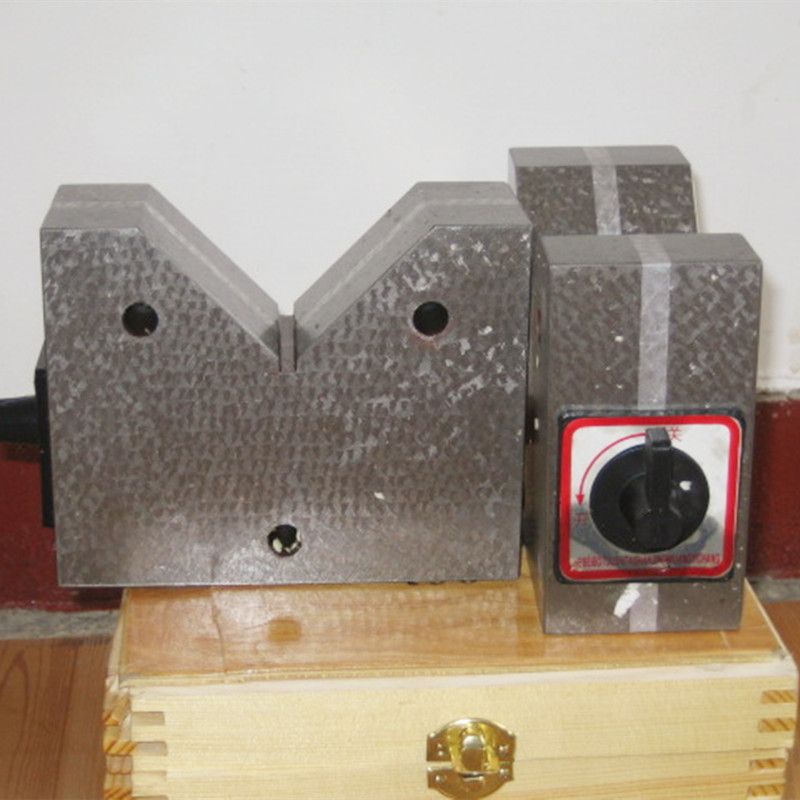
The Allure of Parallel Rulers A Guide to Choosing the Best for Your Needs In the world of precision tools, parallel rulers hold a special place. These devices, designed to facilitate accurate drawing and measurement, have become essential for architects, engineers, artists, and hobbyists alike. If you're in the market for parallel rulers for sale, understanding their features and benefits can help you make an informed decision. This article will explore the charm of parallel rulers, the different types available, their uses, and tips on choosing the right one for your projects. Understanding Parallel Rulers Parallel rulers are tools that allow users to draw or measure parallel lines with ease. They typically consist of two straight edges connected by a set of movable arms, allowing the user to slide the edges up and down without changing their orientation. This design ensures that the lines drawn are consistently parallel, which is especially crucial in technical drawings or layouts. Types of Parallel Rulers Parallel rulers come in various forms, each designed for specific applications. The most common types include 1. Wooden Parallel Rulers Classic and aesthetically pleasing, wooden rulers are favored for their durability and tactile feel. They are often used by artists who appreciate the craftsmanship. 2. Plastic Parallel Rulers Lightweight and versatile, plastic rulers are ideal for students and casual users. They can withstand wear and tear, making them suitable for everyday tasks. 3. Metal Parallel Rulers Known for their precision, metal rulers are perfect for professional settings where accuracy is paramount. They are less prone to warping and can provide cleaner, sharper lines. 4. Digital Parallel Rulers For tech-savvy users, digital parallel rulers with integrated measuring capabilities can offer advanced functionalities, such as digital readouts and measurement conversions. Uses of Parallel Rulers The applications of parallel rulers span across various fields parallel rulers for sale - Architectural Drawings They help in creating scaled designs and layouts where precision is crucial. - Engineering Plans Engineers rely on parallel rulers to produce accurate drawings necessary for manufacturing and construction. - Art and Design Artists use them for drafting and sketching, providing consistent lines that enhance the quality of their work. - Education In classrooms, parallel rulers are essential tools for teaching geometry and drafting techniques. Tips for Choosing Parallel Rulers When selecting parallel rulers for sale, consider the following factors 1. Material Choose a material that suits your needs. Wood offers a classic feel for artists, while metal provides durability for engineers. 2. Size The size of the ruler should align with your use. Larger rulers are better for architectural drawings, while smaller ones may suffice for personal projects or general use. 3. Adjustability Look for models that allow for easy adjustment without compromising precision. Some designs offer locking mechanisms to maintain the desired position while working. 4. Price Set a budget beforehand. While inexpensive options are widely available, investing in a high-quality ruler may pay off in the long run, delivering better accuracy and durability. 5. User Reviews Read reviews and testimonials from other users to gauge the performance and reliability of the product you're considering. Where to Buy Parallel Rulers Parallel rulers can be found in various places. Specialty art supply stores, office supply retailers, and online marketplaces like Amazon or eBay offer a wide selection. If you are looking for unique and handcrafted options, consider local craft stores or artisanal suppliers. Always compare prices, features, and availability before making a final decision. Conclusion Parallel rulers are indispensable tools for anyone involved in drafting, whether for professional purposes or personal projects. Their ability to ensure uniformity and precision makes them essential in a variety of fields. By understanding the different types available and considering your specific needs, you can choose the perfect parallel ruler for your next project. With the right ruler in hand, you can streamline your work, enhance your creativity, and achieve greater accuracy in your drawings. So, explore the available parallel rulers for sale and invest in a tool that will serve you well for years to come.
-

High quality industrial productsagement

High quality industrial products
View Details -

Meet the diverse needs of customers

Meet the diverse needs of customers
View Details -

Strict quality control

Strict quality control
View Details -

Top raw materials

Top raw materials
View Details -

Trusted supplier

Trusted supplier
View Details
Our application


news and information
Valvola di cancello a flangia da 6 pollici
Un componente essenziale nei sistemi di gestione dei fluidi industriali è la valvola a saracinesca f
Versatile Workbench for Efficient Welding and Metalworking Projects
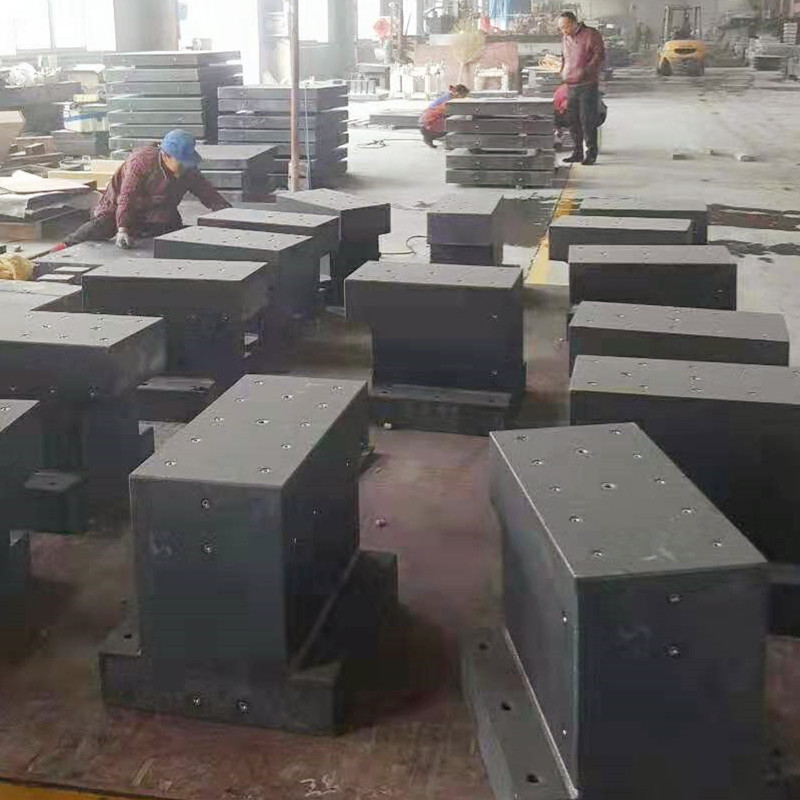
The Importance of Welding Tables in Metalworking Welding is a critical process in various industries

Y Type Strainers_ A Comprehensive Guide
Y type strainers are crucial components in various piping systems, known for their ability to filter
 English